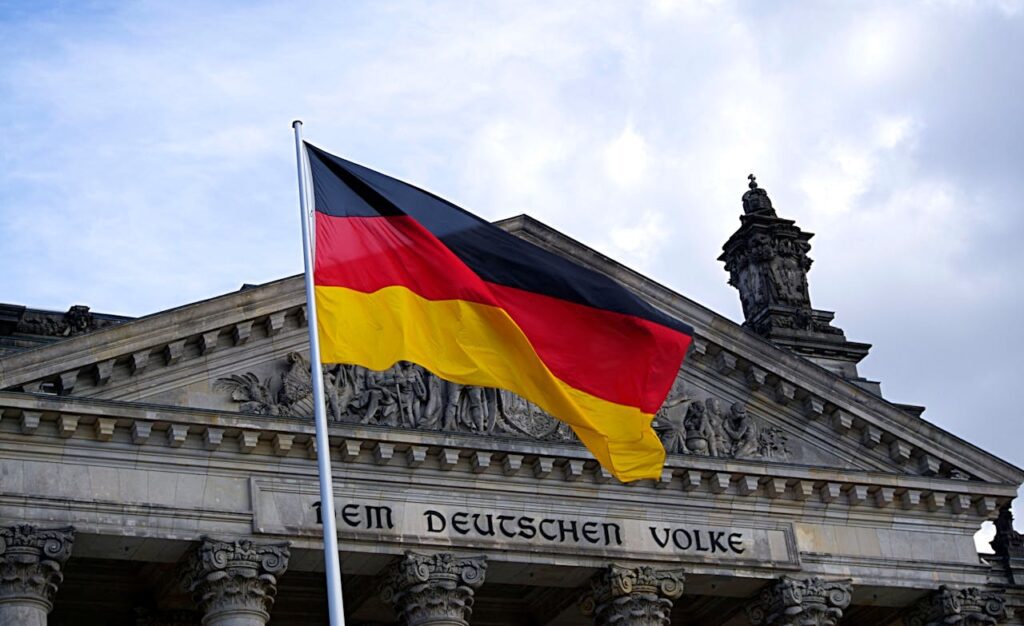
Germany’s Capital Markets Model Case Act (Kapitalanleger-Musterverfahrensgesetz or “KapMuG”) has undergone its most significant transformation since inception. Following reforms that took effect in July 2024, the mechanism for bundling securities claims has been fundamentally reshaped – with major implications for litigation funders operating in Europe’s largest economy.
From Experimental Legislation to Permanent Fixture
Originally introduced in 2005 as a five-year experiment to handle mass litigation against Deutsche Telekom, the KapMuG has been repeatedly extended due to unresolved cases. Most experts agreed the mechanism had not fulfilled its purpose, with proceedings considered too long, too inconvenient, and too complex. The 2024 reforms aim to address these fundamental shortcomings while removing the statute’s experimental expiration date, making it a permanent part of German civil procedure.
Game-Changing Discovery Provisions
The most significant change for corporate defendants – and a potential boon for funders backing claimants – is the introduction of “discovery”- like rules under Section 17 KapMuG, which allows Higher Regional Courts to order defendants or third parties to submit evidence in their possession necessary for the plaintiff’s case. This represents a dramatic departure from traditional German civil procedure, where each party must provide its own evidence.
For litigation funders, this development fundamentally alters risk assessment. Previously, the burden of proof difficulties made German securities cases challenging propositions. The new discovery mechanism levels the playing field, potentially making cases that were previously unfundable commercially viable.
Expanded Scope and Accelerated Timelines
The reforms extend KapMuG proceedings to rating agencies, crypto white papers, and securities information sheets, opening new avenues for funded litigation. Procedural timelines have been compressed: trial courts now have three months (down from six) to review model case applications, and referral decisions must be made “immediately” after nine additional applications are filed.
Critically, Higher Regional Courts are no longer bound by the trial court’s order of reference, allowing them to focus on the most relevant legal and factual questions. This flexibility should streamline proceedings and reduce the notorious delays that have plagued past cases.
The Parallel Proceedings Challenge
Not all reforms favor efficiency. The automatic suspension of related individual proceedings has been eliminated – now only proceedings where plaintiffs filed or joined model case applications are suspended. This means courts and defendants will face parallel individual and model proceedings, potentially increasing litigation costs and complexity.
For funders, this creates both risk and opportunity. While parallel proceedings increase exposure, they also provide multiple pressure points for settlement negotiations.
Major Cases Driving the Market
The Wirecard scandal has generated applications for KapMuG proceedings against Wirecard itself, auditor Ernst & Young, and Germany’s financial regulator BaFin. These cases represent billions in potential claims and demonstrate the mechanism’s relevance for major corporate failures.
KapMuG proceedings against VW and Porsche related to the diesel emissions scandal remain pending at the Courts of Appeal in Braunschweig and Stuttgart, with the Stuttgart court recently appointing the Wolverhampton City Council Pension Fund as model plaintiff – highlighting international institutional investors’ growing use of the German mechanism.
At the end of 2021, pharmaceutical giant Bayer was hit with a major new KapMuG request concerning allegedly misleading market communications about its acquisition of Monsanto, while individual actions totaling several billion euros related to Volkswagen’s attempted takeover of Porsche were recast as a KapMuG case.
The Funding Advantage: No PACCAR Problem
Germany offers a critical advantage for litigation funders: there are no known court decisions restricting third-party funding or criticizing damage-based agreements, and restrictive concepts like champerty and maintenance do not exist under German law. This stands in stark contrast to the UK, where the Supreme Court’s PACCAR decision only recently created significant uncertainty for funding agreements.
Germany has approximately fifteen to twenty active litigation funders with an estimated market volume of EUR 500 million. Unlike lawyers, who face strict limitations on contingency fees, funders operate with considerable contractual freedom.
Institutional investors increasingly use litigation vehicles to pool collective claims of EUR 1 billion or more, with funders covering costs and purchasing claims at variable prices. These vehicles can benefit from exemptions on security-for-costs requirements and, in worst-case scenarios, avoid reimbursement obligations through insolvency.
Implications for Funders
The 2024 reforms position Germany as an increasingly attractive jurisdiction for securities litigation funding. The discovery provisions reduce evidentiary risk, expanded scope creates new case types, and accelerated timelines improve capital efficiency. Combined with the absence of PACCAR-style restrictions, Germany offers funders a more predictable regulatory environment than many common law jurisdictions.
However, challenges remain. The KapMuG is designed as a declaratory intermediate step – even with a fully positive finding, investors must continue individual damages actions if defendants refuse to settle. This requirement extends case duration and multiplies costs.
The parallel proceedings requirement also introduces inefficiencies that could affect settlement dynamics and increase defendant leverage. Funders will need to carefully model these structural features into their investment theses.
Looking Ahead
With the reforms now in effect and major cases moving through the system, the next few years will be critical for observing how the new provisions function in practice. The upcoming Wirecard decisions will be particularly instructive, given the case’s complexity and the involvement of sophisticated institutional investors.
For litigation funders eyeing European opportunities, Germany’s reformed KapMuG mechanism deserves close attention. While not without limitations, it represents one of continental Europe’s most developed frameworks for funded securities litigation – and one that’s just become significantly more funder-friendly.
No responses yet